$14.99
$24.13
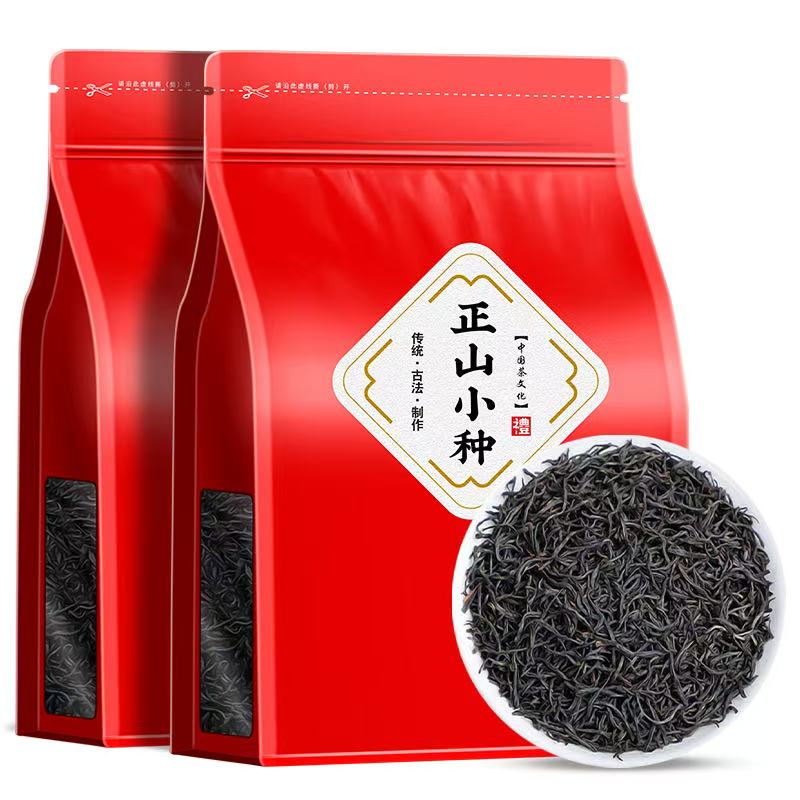
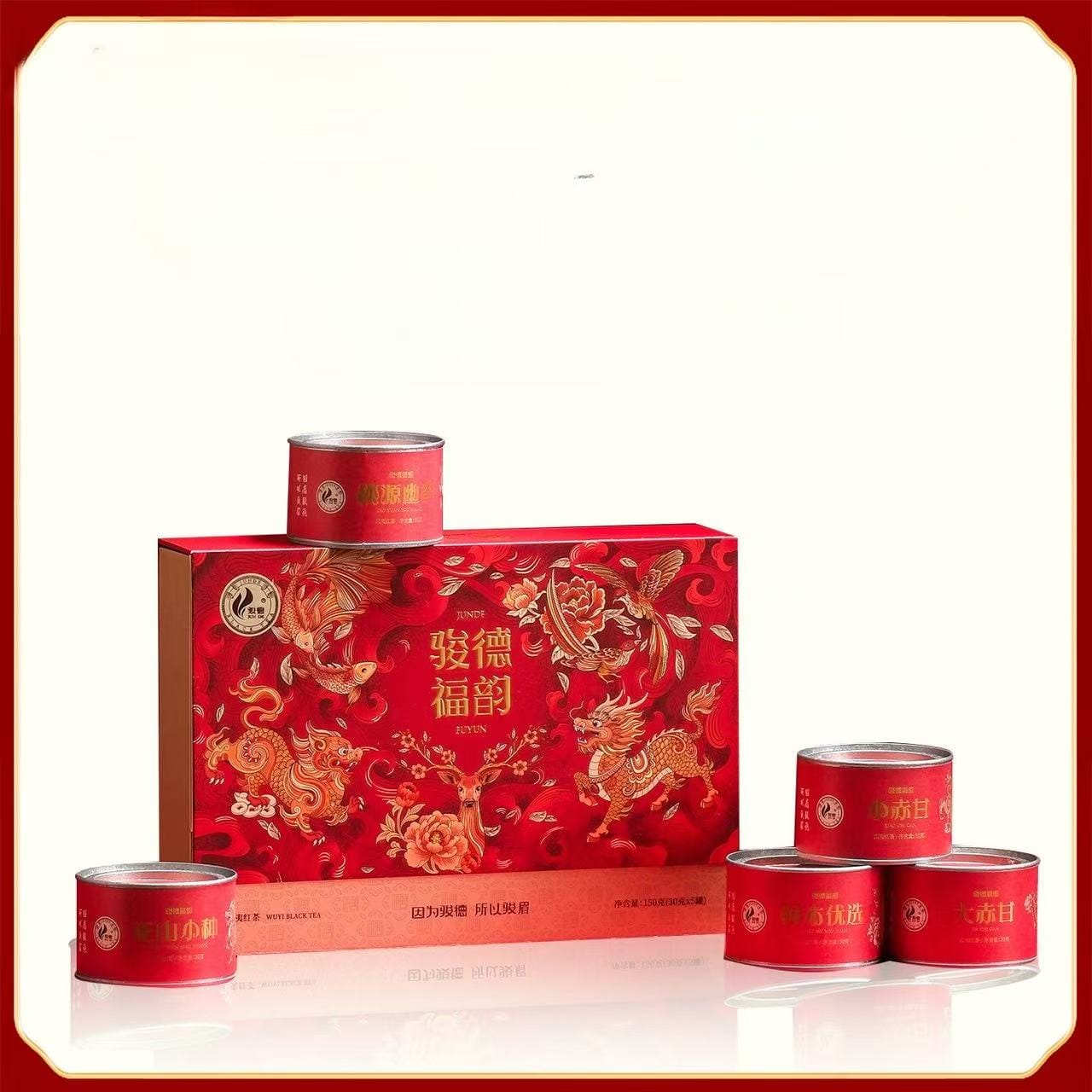
A premium, high quality Lapsang Souchong (Zhengshan Xiaozhong) with the original savoury sweet taste of Chinese dates and longan fruit with hints of pine wood. Note, this is not the excessively smokey kind of Lapsang Souchong that’s generally exported from China! The history of Lapsang Souchong? Lapsang Souchong, as the first black tea in the world, has a history dating back over 400 years. Both domestic and foreign records indicate that Zhengshan Xiaozhong emerged between the late 16th century and the early 17th century. Historical records show that in 1607, the Dutch East India Company bought black tea from Macau in southern China’s Lingnan region and then exported it to Europe. During that period, the European tea market was predominantly dominated by Japanese green tea. Zhengshan Xiaozhong, with its rich flavor, quickly gained a strong foothold in the European tea market. The Dutch initially held a complete monopoly over the economic and trade rights of Zhengshan Xiaozhong. However, the British East India Company sought a portion of the trade, leading to a war between the Netherlands and England. The latter emerged victorious and gradually took over the tea trade. The prosperity of Zhengshan Xiaozhong persisted until the early 18th century, when numerous missionaries and traders arrived in Tongmu, its place of origin, for research purposes. Chinese farmers, over time, developed a stronger smoked variety and a non-smoked variety of Xiaozhong to adapt to the varying preferences of foreign consumers. It’s worth noting that Zhengshan Xiaozhong black tea is considered the precursor to Anhui Qimen black tea and the other Gongfu black teas. In the late 19th century, tea varieties and production techniques were brought from Tongmu in Chong’an to the Qimen area of Anhui province. Keemun black tea, derived from “Qimen,” was successfully produced in 1876 based on Zhengshan Xiaozhong black tea. This relocation proved to be highly successful, and Keemun tea is now one of the four world-renowned black teas. Legends of Zhengshan Xiaozhong As for the origin of the Lapsang Souchong process, there are several local legends, but the following two are particularly intriguing. The bossy army During the middle and late Ming Dynasty, there was political unrest. Around 1568 A.D., while it was the tea-picking season, a contingent of officers and soldiers traveled through Tongmu village, a vital entrance for outsiders into Fujian. They took over a tea factory in the temple bay, even using tea leaves as bedding. Due to this occupation, the tea leaves in the factory couldn’t be dried properly and turned soft, red, and sticky. Once the soldiers departed, the tea farmers decided to compensate for their losses by molding the softened tea leaves into strips and drying them using locally sourced pine wood. The leaves of the tea, which used to be red and green, turned black and shiny in that way producing an exceptional piney aroma with a wonderful taste. The tea farmer picked it to sell in Xingcun but wrongly didn’t expect to win the favour of consumers. Despite all the odds, due to a high demand, prices for this tea are several times that of their originals. The greedy bandits The warlords and local gangs of bandits were free to roam the countryside during a time of turmoil in China. Many tea farmers continued to work for a living, despite the dangers of this time. In his village, a virtuous farmer employed a lot of families to make black tea and sell it to the Dutch. The tea grower was willing to pay his workers well enough for them to attract attention from the surrounding bandits, that demanded that they be paid as villagers. The owner and his men had been working hard to pick up the finest leaves, pay off the bandits. Unfortunately, the greed of the brigands had grown restless over the course of the days, leading them to raid the village and burn down the tea farm and workshop the night before the tea was to be finished and sold. Fortunately, the timber storage shed survived and was only partially damaged. Saving what they could, the villagers finished their black tea with the pans recovered from the ruins of the workshop. Went to the port to sell the tea, the virtuous farmer was approached by a Dutch man who wanted to try the tea. The Dutch trader liked it, even asked to pay triple for it, against all odds. As a result, the landowner and the villagers began to smoke tea with pine, and the method was soon perfected.
Black Tea